Monday, 11 February 2019

Nuthatch from Walthamstow Marshes

The Nuthatch is back near the Horseshoe Thicket Bridge (probably never left). 


It roams the southern areas of Springfield Park, sometimes making short forays over to the trees in the thicket of the marshes. I viewed it and listened to it call and sing from the marshes thicket bridge at midday for around 20 minutes.  

Strain your ears and you can hear it!

Wednesday, 2 January 2019

2nd January 2019

 Walthamstow Marshes SSSI & WaterWorks NR

50 species combined

Male and Female Stonechat on marshes boardwalk.

ebird numbers for Marshes:


Goldcrest in Horseshoe Thicket

ebird numbers for WaterWorks:


Shoveler in WaterWorks

Sunday, 30 December 2018

The Patch on eBird (& Why do so few birders use eBird?)

Why do so few birders use eBird?

What is eBird?

eBird is the world’s largest biodiversity-related citizen science project, with more than 100 million bird sightings contributed each year by eBirders around the world.


With a few minutes spent on the mobile phone app, birders can record their sightings and their data would contribute to this. Many birders spend time blogging or tweeting about their latest escapades in the field, so why not put the sightings to conservation use on eBird?

Walthamstow on eBird


eBird is a useful tool.

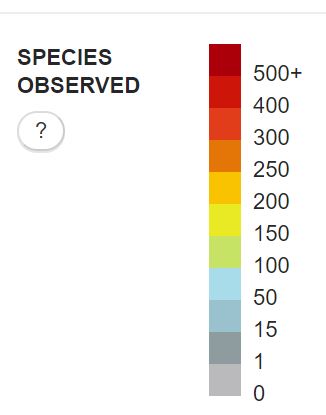
To give eBird a patch watching context, Walthamstow Reservoirs is the 3rd top London ‘Hotspot’ for number of species recorded and Walthamstow Marshes is the 9th.


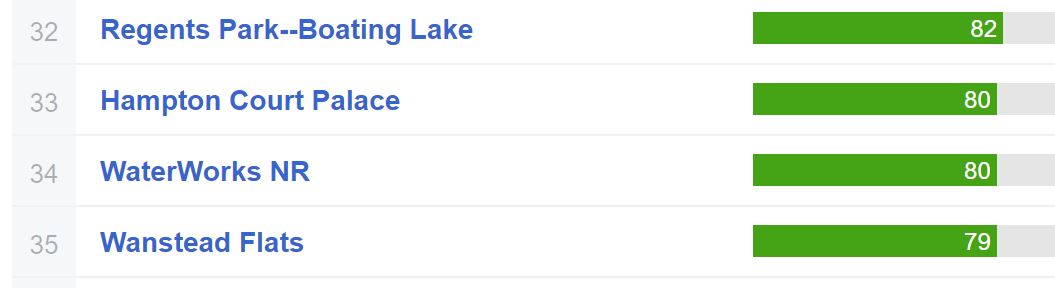
The WaterWorks NR appears in the top 30 under the guise of ‘Leyton Marsh & WaterWorks.’ But then Leyton Marsh is part of Walthamstow Marshes, so that’s a bit messy. The WaterWorks NR itself comes in at London number 34:


Bird blogging or tweeting, at its best, informs another birder or wildlife enthusiast of wildlife news or shares where and when to view wildlife; at its worst, it is someone’s holiday photos or latest tick (somewhere in between does a bird blog or tweet lay).

With eBird, there is no question of its usefulness. An eBird report can contribute to graphs, data and trends for the patchworker or conservationist. For example:

January to December Observations of Waterfowl on Walthamstow Marshes 1900 - 2018


Northern Wheatear Observations on Walthamstow Marshes 1900 - 2018


This is a link to London's eBird data (find your patch from here):


So, why do so few birders use eBird?


Tuesday, 4 December 2018

Reservoir Logs - November round-up


       The first Black-throated Diver for 22 years visited Lockwood for two days  pic@lolbodini
 
   After a blank month in October, the reservoirs returned to form with four new species for the year. They included the first Black-throated Diver since 1996 along with Slavonian Grebe, Red-breasted Merganser and Avocet. November also brought another Common Scoter, Ring Ousel and Rock Pipits together with news of where some of our wintering birds breed. The four additions take the year list to 143, two more than 2017's total as well as taking the wider patch total to 150.

  The first pair of Shelduck, after the post-breeding moult in the North Sea, returned to the reservoirs on the 21st.  Pintail are unusual so two records - a female on the 10th and a pair on the 19th - was exceptional. Mid-month also saw Wigeon take up residence with two on the 17th, three next day and singles on the 19th & 20th. Shoveler numbers remained high with 98 on the 4th but had decreased to 40 by the end of the month. 


   News came through this month that a Tufted Duck with the nasal band DN3 on Lockwood in September was ringed in Ampoigne, north-west France in June 2016 and had been seen the following February in the less exotic surroundings of Crowthorne, Bucks.


             A female Scoter found company feeding and resting with the Tufted Ducks on Lockwood

   The second record of Scoter this year was a tame female type on Lockwood on the 6th. Red-breasted Mergansers are not annual on the reservoirs - with no records for either 2015 and 2016 - so the two females found by RE on No 5 on the 17th were an excellent addition to the year list. Goldeneye numbers increased throughout the month and had reached eight by the 25th.


                           The first Slavonian Grebe since 2013 was on Lockwood

   The month's stand-out bird was the Black-throated Diver found by LB on Lockwood on the 24th. It is the first record since February 1996 and the first diver of any kind on the reservoirs since a Great Northern in 2013. It stayed all day, with a brief trip to Banbury, and overnight until seen flying off south early on the 25th. It may be that this was also the unidentified diver seen briefly on No 5 on the 27th although it could have been a Great Northern with an influx of up to four at nearby King George V. In an exceptional month for Lockwood, it also attracted a winter-plumaged Slavonian Grebe on the 10th, the first on the reservoirs for five years.


            The Avocet on East Warwick spent most of its time swimming in the reservoir pic @lolbodini

   In what has been a poor autumn for waders, the discovery of an Avocet on East Warwick by TR on the 19th was a treat - particularly as it has been a bogey bird for many of the local birders and stayed long enough to be added to lists. It spend much of its time swimming with the ducks. Until a party of five on Lockwood, which were also seen swimming, last year, there had not been an Avocet at the reservoirs since 2013.

   An Oystercatcher was on No 5 on the 25th with  single Lapwings on the 4th and 9th and two on the 26th and a Common Snipe on the 10th. A maximum of four Green Sandpipers were seen on the 25th although they often go missing from the overflow channel while again no Common Sandpiper was recorded.


   A Black-headed Gull with the white colour band TRUL by Low Maynard in early November turned out to be over eleven years old and very well travelled. It had been rung as an adult in Hamburg in March 2010 and has spent the last two summers at least breeding in Poland close to Russian border.

                      One of up to three Stonechats seen on the reservoirs this month

     Viz mig continued to be very light with very few finches or thrushes seen overhead. The only Skylark was on the 10th around Lockwood which was also where three much scarcer Rock Pipits were found by LB on the 1st. Up to three Stonechats regularly visited the reservoirs from their wintering quarters on Walthamstow Marsh. The second Ring Ousel of the year was a late male which flew past RT south when he was fishing on No 5 on the 8th while small numbers of Fieldfare continued to be seen early in the month. Three Chiffchaffs were seen on the 25th and another Siskin flew over on the 4th.

DB @porthkillier


Wednesday, 21 November 2018

Reservoir Logs - October round-up

  
             The second Barn Owl of the year got a very hostile reception from the resident crows

   October was, depressingly, the first month  in 2018 in which a new bird was not added to the reservoirs' year list. While last October's seven additions were exceptional, it does demonstrate what a lacklustre Autumn it has been so far. This includes visible migration, for which October is usually the best month, but was very slow right across the city. The sole highlight was the second Barn Owl of the year. It leaves the annual total stuck on 139 which is now, despite such a fantastic Spring, just two above last year's figure.

   Shoveler numbers remained high with 100 on the 15th with East Warwick again being the favourite haunt. A drake Wigeon was seen on the 2nd and females on the 22nd and 29th. The first Goosander of the autumn was a red-head on the 14th, a fortnight earlier than in 2016, and the first Goldeneye were a pair on Lockwood on the 28th, just one day earlier. 

  Waders were scarce throughout the month with no Common Sandpipers, which have wintered for several years, seen so far.  There were two Lapwings on the 17th & 19th and a Common Snipe on the 15th with two on the 30th. Green Sandpipers were, however, seen regularly - usually on the overflow channel - with a maximum count of three on the 28th.

   Barn Owls are scarce birds on the patch with just two records in the last seven years. So two in 2018 is highly unusual. After one was flushed from the top of Lockwood in March, a second came out of the trees along the Lea on the 23rd where it was pursued by crows until doubling back and landing on Tottenham Marsh. Presumably the same bird  was reported two days later on the south side of the reservoirs.

   Skylarks were seen or heard on the 21st, 29th and 30th. The last Swallows of the Autumn were two on the 6th. Blackcaps are rarely seen in winter on the reservoirs so the male on the 15th may be the last until the Spring. Visible migration was slim but 80 Fieldfare went into roost over Lockwood on the 25th, ten moved west on the 28th and 100 next day. The 28th also saw the largest movement of Redwing with 200 while PL heard both Siskin and Redpoll on the 21st.

   Up the three Stonechats were seen throughout the month while a tardy Wheatear spent a fortnight around Lockwood and was last seen on the 15th.  The grassy sides of Lockwood used to attract regularly parties of 15 or more Meadow Pipits but numbers have decreased dramatically in recent years with a maximum of two seen during the month.

  Fortunately, it is already clear that November is going to be a better month........


DB @porthkillier


Thursday, 25 October 2018

Reservoir Logs - September update


                Great Egret on East Warwick island with Barnacle Goose preening to the right

   September provided more evidence that the reservoirs generally do better for migrants in Spring than Autumn. But the month did provide the first Wood Sandpipers for six years, the first Barnacle Goose of 2018 and two Great Egrets including one which stayed on the ground long enough to allow it finally to be added to patch lists. The two additions take to 139 the species seen on the reservoirs this year - nine more than at this time in 2017.

              A typically tame Barnacle Goose giving little indication it has recently seen the Arctic

    Barnacle Geese are just about annual visitors with last year three visiting for just one day. This year's singleton, as tame as usual, on the 4th had the good grace to stayed over a week.Three Wigeon, the first of the Autumn, were seen on the 5th, with one or two recorded regularly until the end of the month. Shoveler numbers usually peak in early Autumn and the 56 counted on the 19th suggested they have not been too affected by the extra visitors to their favoured home of East Warwick.

   Despite being seen with greater frequency at the reservoirs, Great Egret has been a bogey species for many of the local birders with almost all past reports just fly-overs. So the bird which dropped onto the East Warwick island on the 4th and stayed for a couple of hours was a real bonus. It remained just long enough before departing high SW for @birdingprof to drive down from his new home in Suffolk to fill the gap on his patch list. More typical was a second bird seen flying over by PL on the 11th.

   Two Buzzards on the 6th and a single on the 26th were the only large birds of prey seen with the sole Hobby on the 21st. But the Peregrines remained a very noisy presence on the pylons throughout the month.

   Waders also continued to be thin on the ground. A Whimbrel flew south on the 15th over Lockwood. The peak count of Common Sandpipers for the Autumn was 13 on the 7th. Green Sandpipers were recorded on the 1st, 6th, 19th with two on the 23rd while there were single Redshanks on the 18th and 23rd.

   The first Snipe of the season was found on the 5th, 13 days earlier than last year. But the highlight of the month were four Wood Sandpipers picked up by JP circling low over No 5 early on the 6th before carrying on south. They are the first at the reservoirs since one on Lockwood which stayed for a few days in early September 2012.  A 1cy Yellow-legged Gull  was seen on Lockwood on the 5th. The late breeding Common Tern family of adults and their two young were last seen on the 3rd.

   The only Skylark was one on the 27th. While last year Swifts lingered on until mid-month, it looks as if none may have been seen this September.  Swallow passage was also very thin with the last record of three on the 23rd typical of the daily count. House and Sand Martins, however, were still plentiful over No 5 early in the month with 400 House Martins counted on the 5th with 30  on the 23rd and one still on the 30th.

   Ten Willow Warblers were seen on the 5th but within days, Chiffchaffs took over as the commonest warblers in the mixed feeding flocks along the central path. These also included Common Whitethroat, Lesser Whitethroat, Blackcap and Reed Warbler early in the month as well as a Garden Warbler on the 7th.

  Spotted Flycatcher was one of the few migrants which seemed commoner than in recent years. The good run at the end of August continued with singles on the 6th and 11th, two on the 10th and the last on the 25th. The only Whinchat was one on the 5th while the first Stonechat of the Autumn was on the 24th, the same day as the first bird turned up at neighbouring Wanstead.

  Wheatears were another species in short supply with three on the 5th and singles on the 11th, 13th, 23rd and 30th. Yellow Wagtails, however, had a good month with birds on at least eight days with two on the 6th and a remarkable ten on the 24th. Grey Wagtails were also widespread throughout the month with a count of 11 together in the overflow channel on the 13th suggesting the hot, dry summer meant a successful breeding season.

   Time is running out to add Garganey and Turnstone to the year list. But the last quarter should still provide the opportunity for Black-necked Grebe, the other unexpected omission so far.

DB @porthkillier


Tuesday, 11 September 2018

Pied Flycatchers, Warblers, Raptors, Whinchats, Walthamstow 2018 Year List, Rats and a dry East Warwick island scrape.

Last year on Walthamstow, the first Pied Flycatcher turned up on the 29th of April during the 5th Annual Walthamstow Patch Watch day (a female on the central path of the reservoirs). Then that was it for 2017. 

Fast forward to Autumn 2018 and we’ve had a definite 5 (possibly 7 but could be same birds) all in the same spot - the front paddocks of the Lee Valley Riding Centre.


On the 13th of August, J-P Elmes, Matt Cunningham, Sue and Mark observed at least 3 separate birds on the front paddocks. 

@Suzehu
And, on the 3rd of September Mark and Lol observed at least 2 separate birds on the front paddocks.

@Suzehu
Also on the southern side the patch were Garden Warbler and Willow Warbler in the WaterWorks Nature Reserve.

@Suzehu

@Suzehu
As was a juvenile rat.

@Suzehu

On the marshes, a 4 raptor day was fun.

Sparrowhawk
Peregrine
Hobby
Kestrel
And the Whinchats have been daily on the Bomb Crater Field.

Whinchat
With an eye on the patch year list, we’re currently on 146. Better than 2016 (143), 2015 (141) and 2014 (139). Our patch average is 146.6, so we just need to find two fifths or 40% of a FOY bird to beat the average before the year is out.

Black-necked Grebe?

Short-eared Owl?

Also, on the reservoirs, the East Warwick island was inspected and it was quite disappointingly not scrape like (thanks to DW for pics).


Walthamstow Birders

Reservoir Logs - September 2026 round-up

                            The Spotted Redshank spent the day in the flood relief channel pic @FelixSJ        An obliging Spotted Redshank ...